top of page
Process
How a Steph's Woven Textiles product is handcrafted, from start to finish

01
Choose Yarns
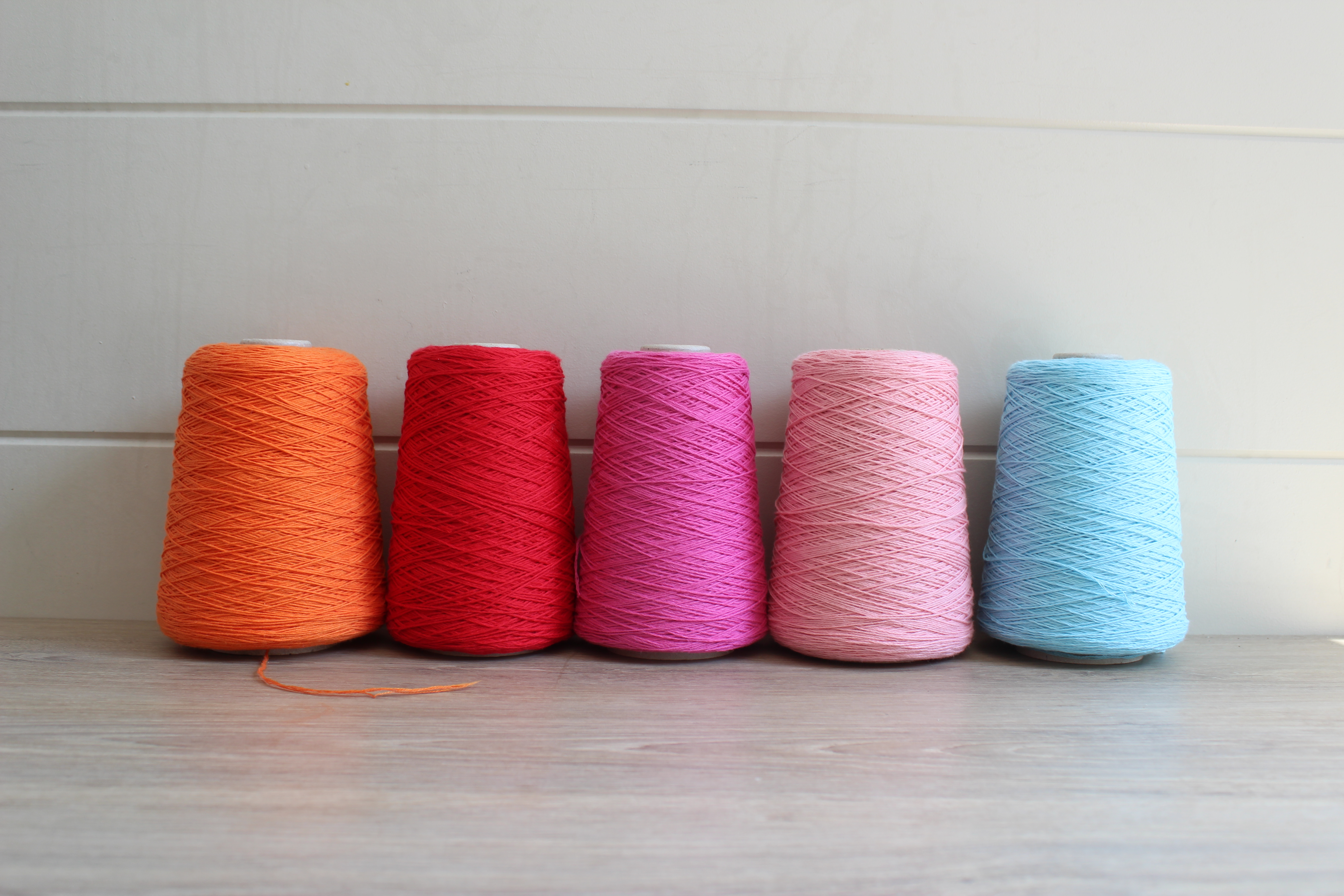
The process can often start with the type of yarn I want to use for whatever I am making, from cotton, to merino wool etc.

02
Colour Inspiration
"You can find inspiration in everything" - Paul Smith. This is so true, therefore I often like to find inspiration in beautiful buildings or doors, but florals can be a very big help in choosing a colour palette.

03
Pick a woven pattern
I will often choose a pattern from samples I have created before and info I have collated or create my own pattern using a weave maker programme. There are an endless amount of woven patterns to try.

04
Make warp
Making the warp involves using a warping mill that spins around back and forth, or you can use a warping board. The length is determined by how far you go down the mill and the width is how many times you go around with your choice of yarns.

05
Wind warp onto loom
This part is very crucial, this is when the tension is created and ensures the warp threads are evenly spaced.

06
Setting up the loom
Each warp thread has to be threaded through the heddles in an order to create the pattern you want to weave and then through the reed to seperate them (which is also the beater).

07
Weave the fabric
The best part has come! The shafts can be lifted, the weft yarn entered and then released again and beaten to create a pick (line of yarn). And then repeat, repeat, repeat to make your very own woven fabric.

08
Wash and iron
Once the warp comes to an end, it can be cut off and then hand washed. Some fabrics depending on the fibre used can be machine washed. This can often slightly felt the fabric to keep it together, it can then be ironed flat.

09
Cut and sew
Now the fabric can be cut and sewn into a product from bag straps, cushions, pouches, keyrings, scrunchies etc. Some products will just need finishing at the ends, maybe a tassel or a hem if it's a throw or blanket for example.
01 / 09
Choose Yarns
The process can often start with the type of yarn I want to use for whatever I am making, from cotton, to merino wool etc.
Go to link01
Choose Yarns
The process can often start with the type of yarn I want to use for whatever I am making, from cotton, to merino wool etc.
02
Colour Inspiration
"You can find inspiration in everything" - Paul Smith. This is so true, therefore I often like to find inspiration in beautiful buildings or doors, but florals can be a very big help in choosing a colour palette.
03
Pick a woven pattern
I will often choose a pattern from samples I have created before and info I have collated or create my own pattern using a weave maker programme. There are an endless amount of woven patterns to try.
04
Make warp
Making the warp involves using a warping mill that spins around back and forth, or you can use a warping board. The length is determined by how far you go down the mill and the width is how many times you go around with your choice of yarns.
05
Wind warp onto loom
This part is very crucial, this is when the tension is created and ensures the warp threads are evenly spaced.
06
Setting up the loom
Each warp thread has to be threaded through the heddles in an order to create the pattern you want to weave and then through the reed to seperate them (which is also the beater).
07
Weave the fabric
The best part has come! The shafts can be lifted, the weft yarn entered and then released again and beaten to create a pick (line of yarn). And then repeat, repeat, repeat to make your very own woven fabric.
08
Wash and iron
Once the warp comes to an end, it can be cut off and then hand washed. Some fabrics depending on the fibre used can be machine washed. This can often slightly felt the fabric to keep it together, it can then be ironed flat.
09
Cut and sew
Now the fabric can be cut and sewn into a product from bag straps, cushions, pouches, keyrings, scrunchies etc. Some products will just need finishing at the ends, maybe a tassel or a hem if it's a throw or blanket for example.
- Colourful cotton yarn ready for weaving by hand
- A hand showing red and pink colour yarns, against a red and pink striped shirt.
- A handwoven piece of fabric, in navy, white and green. Designed to show a variation of colour and weave, twill patterns.
- Bright pink warp being made on a warping mill. Ready to be handwoven
- warp attached to table loom, ready to be threaded up
- Weaving loom and tools to thread up loom
- Pink and red woven fabric in strips to create bag straps on a weaving loom. Handmade and handwoven textiles.
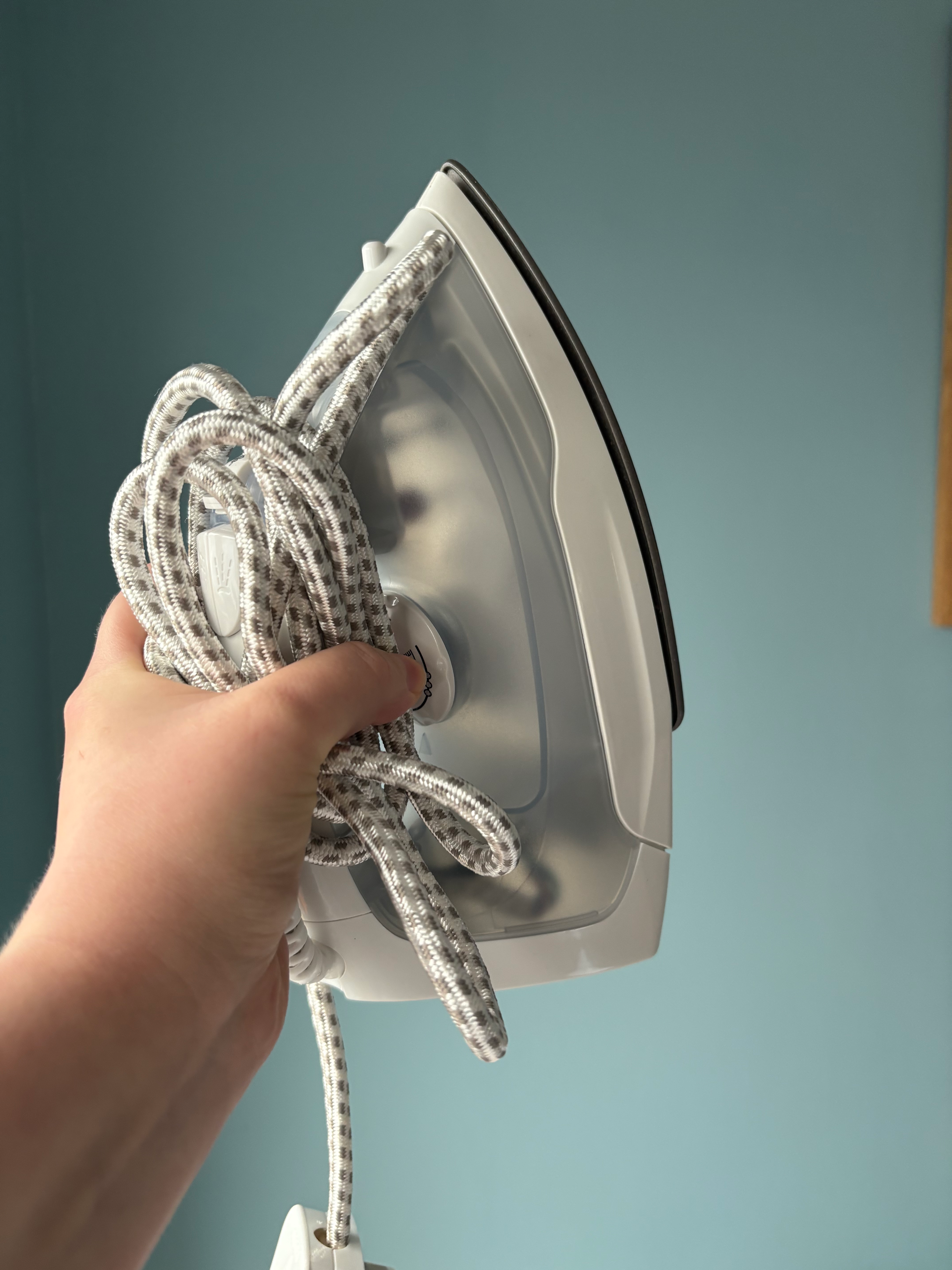
- An image of an iron, ready to iron handwoven fabric.
- A hand ironing and cutting handwoven pink, red and green checked fabric.




After reading this are you dreaming of a super soft, comfortable and colourful bag strap? That is also handwoven and handmade?
bottom of page